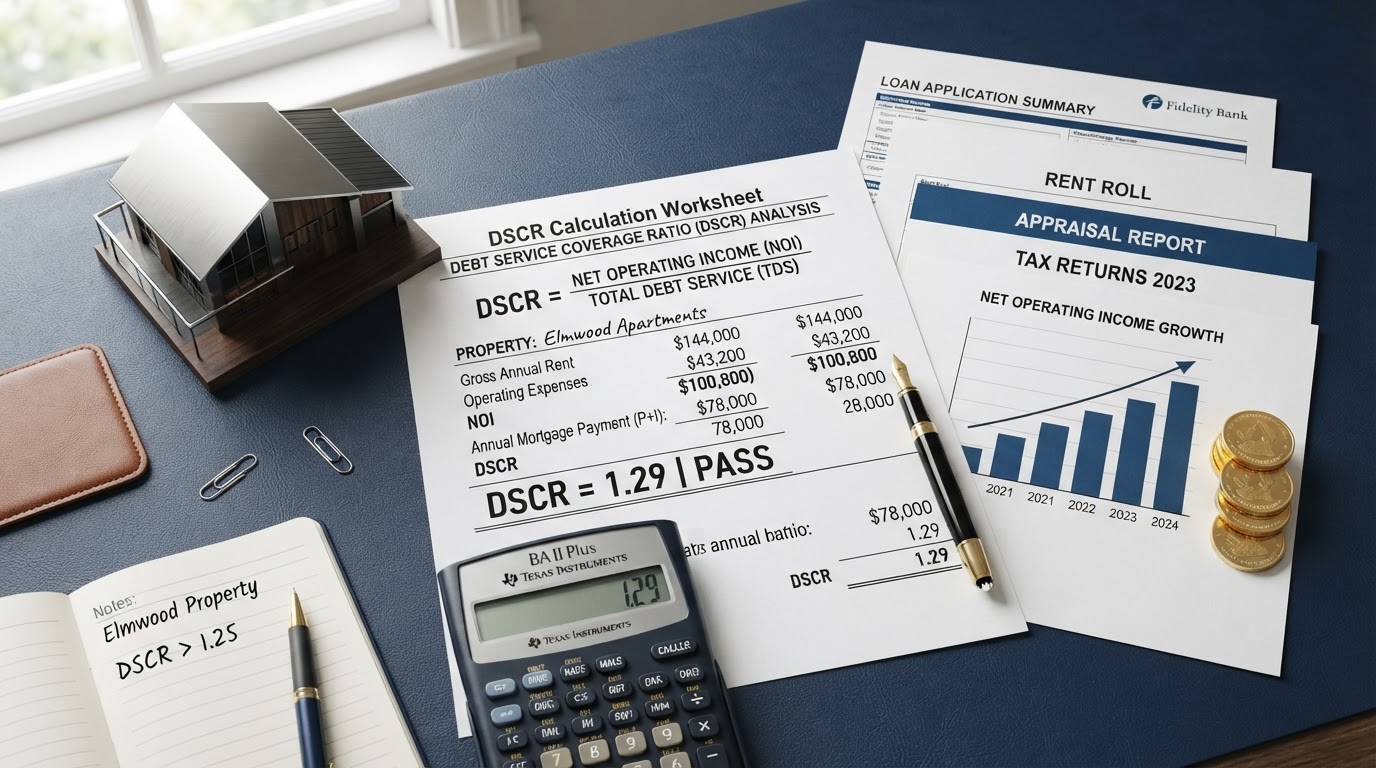
SBA Loan Readiness: How a Strong Business Credit Profile Positions You for Approval
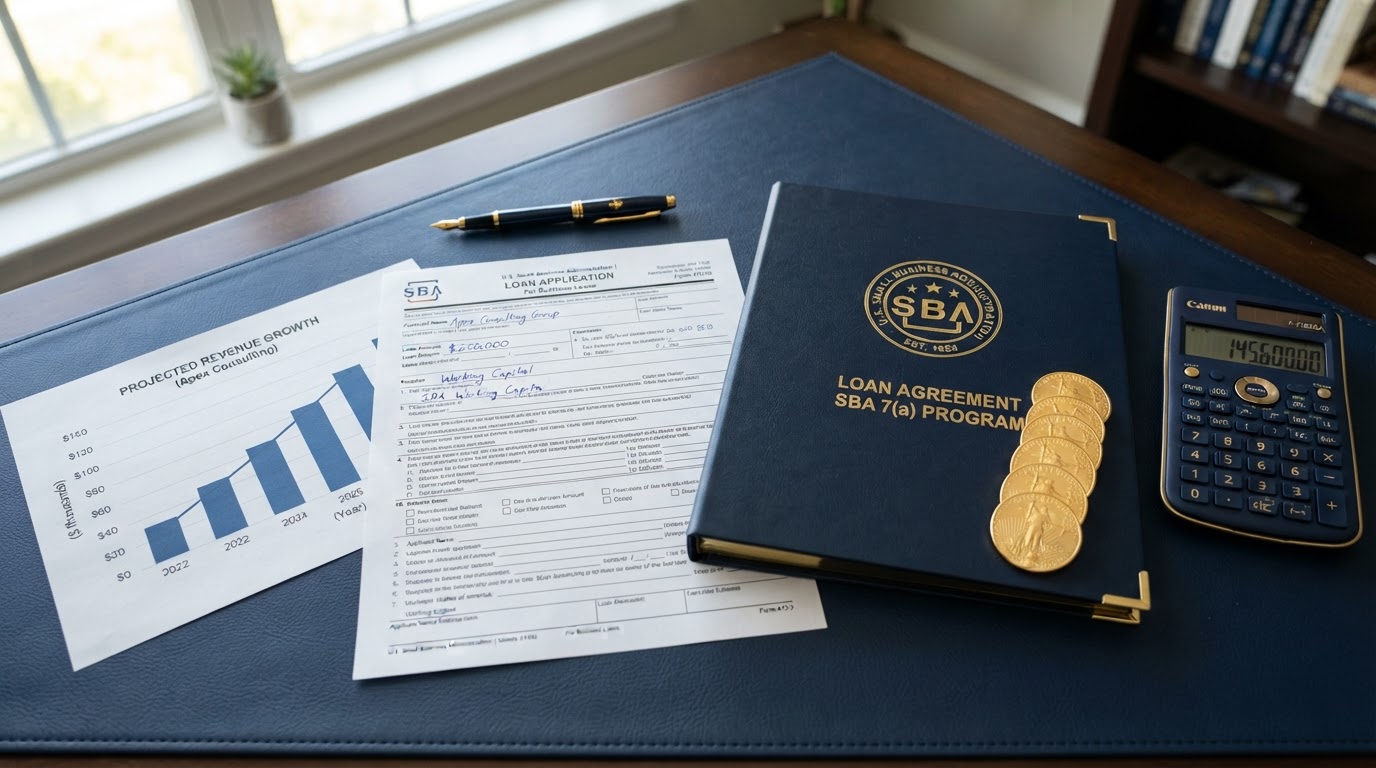
When a client asks Ashley Boswell and Damon Boswell whether they should pursue an SBA loan, the answer is almost always the same: yes, but only after your business credit profile is ready. SBA-backed loans — primarily the 7(a) and 504 programs — are among the most affordable forms of business capital available, but they are also among the most scrutinized. The SBA does not set a universal minimum credit score for these loans; instead, individual lenders apply their own credit policies on top of SBA rules. At ASAP Business Credit, we build the profile that makes a lender want to say yes before you ever submit an application.
What SBA 7(a) and 504 Loans Actually Fund
Damon Boswell starts by clarifying what each program is designed to do. The SBA 7(a) loan is the most common and most flexible program, used for working capital, equipment, business acquisition, and refinancing eligible debt. The SBA 504 loan is purpose-built for major fixed assets — real estate and large equipment — and typically requires a higher down payment, often 15 to 20 percent, along with detailed financial projections. Both programs share the same core eligibility framework, but each layers on its own criteria based on what the loan funds. Ashley Boswell maps each client to the program that fits the use of proceeds before any application work begins.
- SBA 7(a) loans fund working capital, equipment, business acquisition, and eligible debt refinancing.
- SBA 504 loans fund major fixed assets like real estate and large equipment.
- 504 loans typically require a higher down payment, often 15–20%, plus detailed financial projections.
- Both programs share a core eligibility framework with program-specific criteria layered on top.
What Lenders Actually Evaluate
Ashley Boswell walks every SBA-bound client through the evaluation areas a lender will review. The SBA requires that the business be an operating, for-profit entity located in the United States, be creditworthy, and demonstrate a reasonable ability to repay the loan. Lenders then apply their own credit policies, which typically span business operations, industry, ownership and citizenship, character, credit profile, financial capacity, collateral, and use of proceeds. Because the SBA does not set a universal minimum credit score, the lender's own underwriting standards carry significant weight — which is exactly where a strong business credit profile gives you an edge over a borrower with a thin or inconsistent file.
"The SBA does not set your credit score; your lender does. A clean business credit profile is the difference between a lender who finds reasons to approve you and a lender who finds reasons to decline."
— Damon Boswell, Master Business Credit Architect
How Business Credit Strengthens Your Application
Damon Boswell explains that while SBA lenders consider personal credit history for owners, the business credit profile is what demonstrates that the company itself handles credit responsibly. A PAYDEX score of 80 or higher signals consistent on-time payment behavior to Dun & Bradstreet. A clean Experian Intelliscore Plus shows low blended risk. Strong Equifax Business scores indicate financial stability and a low likelihood of business failure. When all three tell the same story — that your business is low risk — the underwriter's job becomes straightforward, and the credit profile portion of the evaluation is effectively satisfied before the first document is requested.
- A PAYDEX of 80+ signals consistent on-time payment behavior to Dun & Bradstreet.
- A clean Experian Intelliscore Plus demonstrates low blended business and personal risk.
- Strong Equifax Business scores indicate financial stability and low failure risk.
- Consistency across all three bureaus makes the underwriter's credit decision straightforward.
The Capacity and Collateral Equation
Ashley Boswell is clear that business credit alone does not guarantee an SBA approval — financial capacity and collateral still matter. Lenders want to see sufficient cash flow to service the debt, which is why they review financial statements, banking activity, and revenue history. For 504 loans, the down payment and detailed financial projections are central to the evaluation. What the business credit profile does is satisfy the credibility and character portions of the equation, which reduces the friction on the capacity and collateral review. Damon Boswell positions the profile as the foundation that makes the rest of the application easier to approve.
Why Prequalification Starts Months Before Application
Damon Boswell treats SBA readiness as a months-long process, not a last-minute scramble. Building the business credit profile, ensuring tradelines report cleanly across all three bureaus, resolving any reporting errors, and documenting financial capacity all take time. Ashley Boswell begins this work early so that by the time a client is ready to apply, the profile is already fundable and the documentation is already organized. Rushing an SBA application with a thin or inconsistent profile is one of the most common reasons otherwise qualified businesses get declined.
"SBA approval is not won at the application table. It is won in the months of profile-building that happen before you ever sit down. We start that work on day one."
— Ashley Boswell, Business Credit Advisor
How the ASAP Framework Prepares You
The 4-tier ASAP Business Credit framework is designed to produce exactly the profile an SBA lender wants to see. Tier 1 Net-30 vendor accounts establish the trade lines that generate your PAYDEX score. Tier 2 revolving store credit builds a revolving payment history. Tier 3 fleet and fuel cards demonstrate operational spending discipline. Tier 4 bank-level funding proves your business can handle meaningful capital. By the time Damon Boswell and Ashley Boswell recommend an SBA application, the business has a clean, consistent, multi-bureau profile that satisfies the credit portion of the lender's evaluation on its own merits.
- Tier 1 establishes reporting trade lines that generate your PAYDEX score.
- Tier 2 builds a revolving payment history that strengthens your Intelliscore.
- Tier 3 demonstrates operational spending discipline at higher limits.
- Tier 4 proves your business can manage meaningful bank-level capital.
- The result is a multi-bureau profile that satisfies the credit portion of SBA underwriting.
Your Next Step Toward SBA Readiness
An SBA loan can be one of the most affordable ways to fund your business — but only if your profile is ready when you apply. If you want to position your business for a stronger SBA application, schedule a free consultation with Ashley Boswell and Damon Boswell today. We will audit your current standing across Dun & Bradstreet, Experian Business, and Equifax Business, map the tiers between you and SBA readiness, and show you exactly how much capital your business can qualify for — all on your EIN, with your personal credit fully protected.
Ready to build your business credit profile?
Damon Boswell & Ashley Boswell and the ASAP Business Credit team will map your business to the right tier — and show you exactly how much capital you qualify for.
Schedule Your Free Consultation